Monks' Walk for Peace Carries Historic Steps Into D.C.
Imagine cracked highways alive with truck rumbles and fading campaign signs,
sliced by the steady shuffle of robed figures. Nearly two dozen Buddhist
monks left a Fort Worth, Texas temple last October, now nearing
Washington, D.C. after 2,300 relentless miles on their "Walk for Peace."
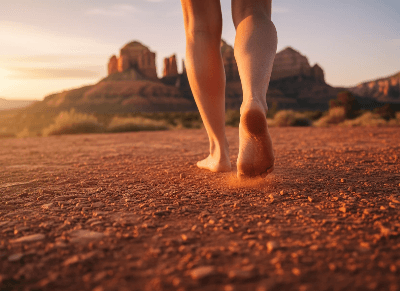
Some go barefoot—head monk Bhikkhu Pannakara's feet bandaged from glass
and gravel, embracing every raw step to stay fully present. No chants,
no signs. Just deliberate footfalls carrying an ancient call.
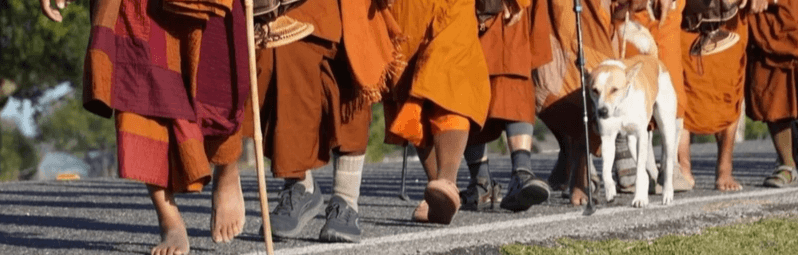
This isn't a rally. They say it's about awakening "the peace within us all."
Yet in our outrage-saturated air—rallies raging, feeds
furious—thousands have joined: families, elders, strangers slipping on
"peace bracelets" like shared vows. Aloka, the scrappy rescue dog who
first trailed these same monks for 100 days in India, captured hearts
early on with his joyful trot. But mid-journey in South Carolina (around
Jan. 13), injury sidelined him—a torn cranial cruciate ligament in his
hind leg required surgery at a Charleston vet center. Now recovering
strong with joyful visits to the monks (latest on Feb. 1 in Richmond,
VA), Aloka's comeback story adds pure heart: proof even paws pause,
heal, and return to the path.
Roots in Revolution: Gandhi's Salt March
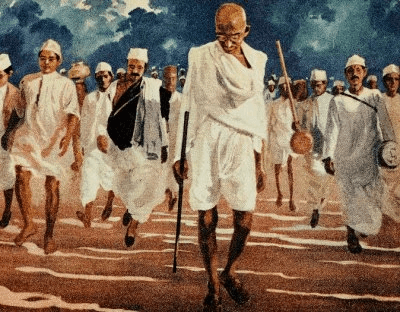
Rewind to 1930 India. Gandhi, staff in hand, led 78 barefoot followers 240
miles to the sea, defying salt taxes with soul-force. It snowballed to
100,000; skeptics scoffed "nice walk," but it ignited independence. Over
60,000 arrests followed, including Gandhi, leading to the 1931
Gandhi-Irwin Pact—prisoner releases, salt-making rights. Global media
shamed Britain, unifying India's masses toward 1947 freedom. Jawaharlal
Nehru captured it: "Non-cooperation dragged them out of the mire and
gave them self-respect and self-reliance... They acted courageously and
did not submit so easily to unjust oppression."
"The best way to find yourself is to lose yourself in the service of others".
Gandhi
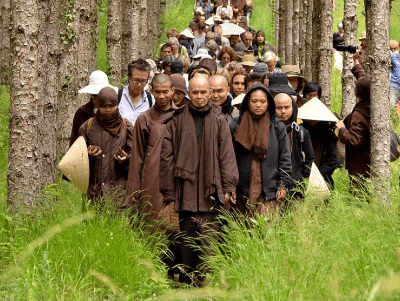
The 1960s amplified it. Thich Nhat Hanh, amid Vietnam's fire, made "walking
meditation" a lifeline—breathe, step, repeat. He brought it stateside,
moving MLK to nominate him for the Nobel Peace Prize: a gentle practice
piercing war's chaos. It popularized mindfulness globally, training
millions in nonviolence through Plum Village.
"The secret to happiness is to acknowledge and transform suffering, not to run away from it". Thich Nhat Hahn
Peace Pilgrim: 28 Years, Zero Possessions
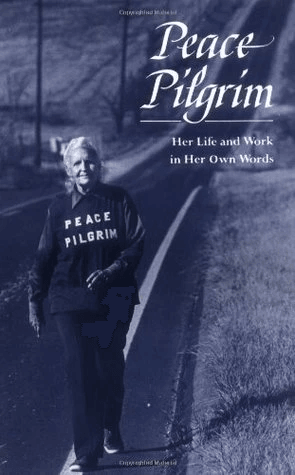
Deeper into American soil lies one of the purest echoes: Peace Pilgrim. Born
Mildred Norman in 1908, she ditched her name and worldly goods in 1953
at age 45, vowing to "walk until given shelter and fast until fed." For
28 years—until a 1981 car crash—she logged 45,000 miles across North
America. No funding; she'd chat up truckers, housewives, skeptics. "This is the way of peace- overcome evil with good, hatred with good and falsehood with truth." Her book Steps Toward Inner Peace sold millions posthumously, shaping self-help and spirituality and is still given away today for free, as per her wishes, by a foundation that continues on her work.
U.S. Marching Moments That Echo—and Changed Nations
America knows this rhythm. Selma 1965: MLK's 54 miles over Bloody Sunday
bridges, many shoeless, galvanized the Voting Rights Act—enfranchising
millions, ending Jim Crow tests. Vietnam peace marches wore down war
support. Suffragettes blistered heels for 1920 votes. The 1986 Great
Peace March—3,000 souls, 3,000 miles L.A. to D.C.—pressured Reagan,
aiding the 1987 nuclear treaty.
Pannakara's pilgrims fit seamlessly: 6:30 a.m. starts, 20-mile days, winter chill
as teacher. Aloka,the peace dog, healing nearby, waits to rejoin.
The Raw Pull: Feet, Resilience, and Ripples
The thread? Bodies bearing witness, sparking shifts. Gandhi handed India
self-respect. Nhat Hanh seeded global calm. Peace Pilgrim built inner
revolutions. Selma unlocked ballots. Now, Pannakara's bandages declare:
connect, endure. Barefoot to touch ground directly—others in socks.
Aloka's recovery mirrors it all.
“Peace does not begin somewhere far away. It begins with one breath, right now… Today is going to be my peaceful day.”
– quote from Venerable Bhikkhu Paññākāra, the lead monk of the peace walk.