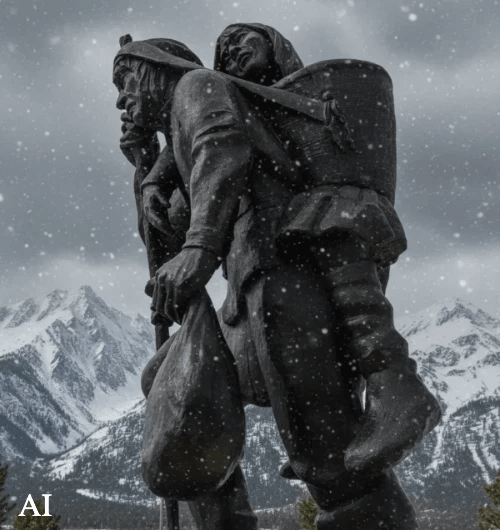
" ....as the long, silent and sad procession slowly passed with all their belongings on their backs. One old man placed his aged and decrepit wife in a burden basket, with her feet hanging out, and carried her on his back, almost all the way. He refused help, except at stream crossings, where he allowed a trooper to take her across on his horse. Over the roughest country, through thick brush and rocks, day after day, he struggled along with his precious burden...uncomplaining."
This is from the journal of William Corbusier, an Army doctor, who unsuccessfully begged for leniency-a warmer route with wagons- and accompanied the people on their forced exodus, documenting in his work Verde to San Carlos.
The Exodus monument at the Yavapai-Apache Cultural Center in Camp Verde stands as a stark, visual tribute to the brutal forced removal of the Yavapai and Apache people from their Arizona homelands in 1875.
What led to this heartbreaking event? As a longtime Sedona resident and guide, I assumed I knew the story—but I dug deeper to uncover and share the details.
Why were they forced out of their homes and made to walk on foot 180 miles through brutal winter conditions in the winter of 1875 to the San Carlos Reservation near Globe?
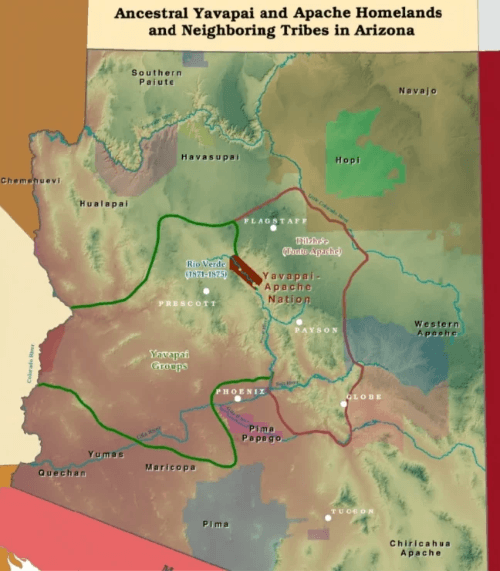
Let's step back, long before Spanish conquistadors pushed into New Mexico and Arizona. Back then, central Arizona belonged to two distinct Native groups: the Yavapai and the Tonto Apache (known in their language as Dilzhéʼé), each holding their own territories across more than 16,000 square miles.
In 1540, Francisco Vázquez de Coronado claimed those Yavapai and Dilzhéʼé lands for Spain's king during his fruitless hunt for the Seven Cities of Gold. Early Spanish explorers ventured in sporadically, but most turned back empty-handed after finding no riches. For over two centuries, the Yavapai and Dilzhéʼé fiercely defended their rugged territory, keeping it off-limits to would-be settlers.
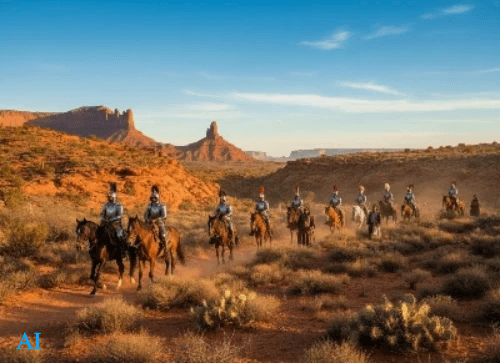
Following Mexico's independence war, Spain handed over its claimed territories—including the Yavapai and Dilzhéʼé homelands—to the new Mexican government in 1821
Then came the U.S.-Mexico War of 1846–1848, sealed by the Treaty of Guadalupe Hidalgo. Mexico surrendered all its northern lands to the United States, creating much of today's Southwest, including Arizona—and by decree, the Yavapai and Dilzhéʼé's 16,000 square miles. None of this involved any awareness or agreement from the Yavapai or Dilzhéʼé.
The 1848 gold rush to California sent fortune-seekers west, mostly skirting central Arizona. But gold strikes near Prescott in the early 1860s drew settlers straight into Yavapai and Dilzhéʼé homelands, sparking inevitable conflict.
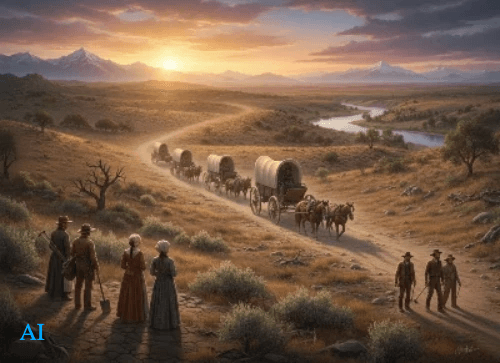
Prescott itself wasn't great for farming or ranching due to scarce water. The Verde Valley, though—fed by the Verde River—stood out as one of Arizona's richest spots. It quickly became a vital supply hub for Prescott and Jerome (as the town boomed with huge copper output). More settlers eyed the valley as prime real estate.
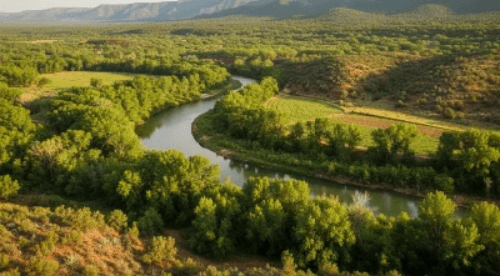
But settlers faced one big obstacle: the Yavapai and Dilzhéʼé Apache already called this lush valley home—and clearing them out came first.
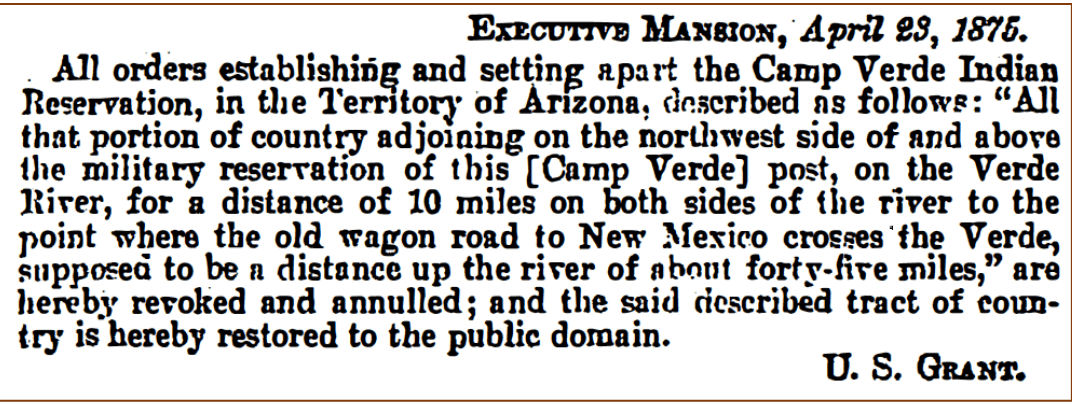
Enter General George Crook in 1871. He waged brutal campaigns, killing those who fought to stay on their lands and herding survivors onto military reservations. Late that year, President Grant set aside about 800 square miles near present-day Cottonwood as the Rio Verde Reserve—promised “in perpetuity” (forever) to the Yavapai and Dilzhéʼé Apache. Thousands settled there, forming a stable community, digging irrigation ditches, and thriving on successful farms.
The Verde Valley would look very different today had that promise been honored and the Yavapai and Dilzhe’e Apache people remained on their ancestral land.
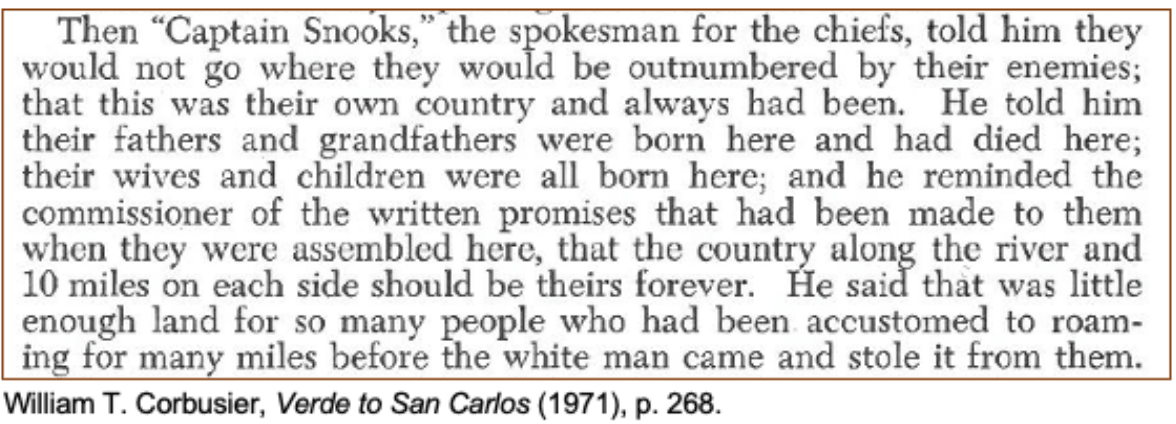
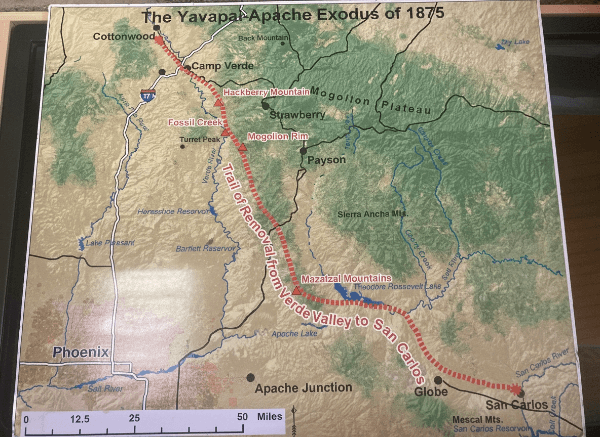
Government pledges of land “as long as grass grows and rivers flow” turned out to be empty words. Just four years later, in February 1875, President Grant issued another executive order, yanking the Yavapai-Apaches from Rio Verde and forcing them 180 miles southeast to the San Carlos Apache Reservation near Globe—a vast but harsh desert outpost. The army ordered an overland march “as the crow flies” through brutal winter conditions, cramming all of Arizona’s Apaches and Yavapais there—and over 100 perished from cold, sickness, or drowning in icy rivers. This hasty, cost-cutting choice sealed their suffering.
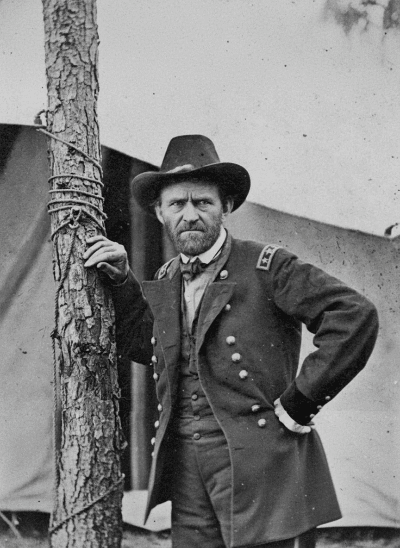
President Grant
Indian Commissioner Edwin Dudley, in charge at the time, ignored pleas from Crook and surgeon Corbusier to take a warmer wagon route. Instead, he barked, “They are Indians; let the beggars walk.”
In February 1875, Dudley oversaw the forced march of 1,476 Yavapai and Tonto Apache from the Rio Verde Reserve at Camp Verde to San Carlos Agency. He demanded the shortest, most treacherous path—straight through snow-mantled mountains, river crossings and biting winter cold on this 180-mile ordeal, forever called the Yavapai-Apache Trail of Tears.
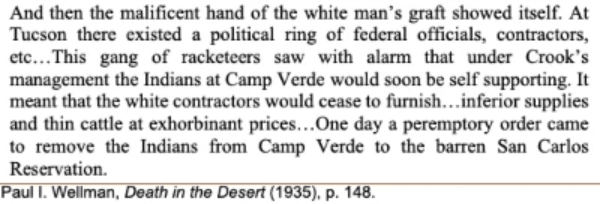
Dudley's actions were heavily influenced by local Arizona economic interests. Tucson merchants lobbied hard for the removal, eager to control supply markets for the now-dependent tribes at San Carlos. The Yavapai and Apache had grown too successful at Rio Verde, producing huge surpluses of crops—and that competition had to go, forever.
While overseeing the Salt River crossing during the winter trek, Dudley even mused on a biblical parallel: “Another exodus... I wished that the waves might again be rolled back.”
After nearly a generation confined to San Carlos Reservation, the Apache wars
were over. Geronimo surrendered in September 1886, and the Army, done
policing Arizona Territory, issued permits for our people to work
off-reservation near Globe—cutting grass hay for soldiers and foraging
traditional foods to stretch the meager government rations of beef,
flour, lard, coffee, sugar.
By 1890, weary of playing prison guard, the Army quit enforcing permits.
The people simply walked home: to Tonto Basin, Mayer south of Prescott,
Paloma far southwest, Mogollon Rim above Payson, Middle Verde in the
valley heart.
A few ex-scouts under Crook carried horse and rifle; some families had
mule-drawn wagons. Most went by foot on faint trails—no proper roads
existed. The journey stretched years for some. They paused to labor on
bridges, dams, mines, roads—like Apache Trail and Roosevelt Dam.
The ancestors returned as strangers to their own land—a place now ruled by unfamiliar laws and customs. By 1907, the tribal population in the Verde Valley and surrounding areas had dwindled to around 400. Still, families clung to remote corners, scraping by in the old ways as best they could. The land they once knew intimately was gone.
Settlement in the Verde Valley during the San Carlos exile had left little land available on the old reservation. In November 1909, the U.S. purchased an 18.35-acre parcel along the Verde River. This tiny scrap was far too small to feed or house the community. From 16,000 square miles to 800, then San Carlos exile, a grueling return, and now just 18.35 acres—history’s starkest tale of diminishing returns.
Over the years, four more small, non-contiguous parcels were added. Today’s reservation totals only 1,810 acres—less than three square miles. This represents just 0.3% of the 1871 Rio Verde Reserve and 0.0017% of the original homelands.
Barbara McCabe of the Yavapai-Apache Cultural Center describes the current reservation lands: “Before it was said and done, it came down to these little pieces. To me, I say they are like little plots, not a vast landbase for the people. In recent times, land was purchased back at the current price today.”
On February 28, the Yavapai-Apache Nation commemorates this return with a ceremony at sacred Boynton Canyon, followed by gatherings, events, and a community lunch at the reservation. The day before, relay runners start at San Carlos near Globe and race through the night to arrive in Camp Verde.
Treyson Fullmer, Communications Coordinator, shared details about the event. "It’s our highlight event of the year, and it’s one we invite everyone to attend. We want it to be brought to the whole community, so everyone is welcome. We also offer a community lunch; this year’s menu includes fry bread, soups, beans, and sides. In the morning, we hold a blessing in Boynton Canyon. We have a medicine man come in and share the history and the specialness of that place, as it is one of our holy grounds. After that, we return to Camp Verde, to Memorial Park. The commemoration lasts throughout the day as the runners come in. We then hold a march with community members, coming together and walking as one. There are different dance groups—Apache and Yavapai—and we invite other tribes to join us as well, just to be with us and to show the resilience of our peoples, being here today and continuing our culture and our values.’”
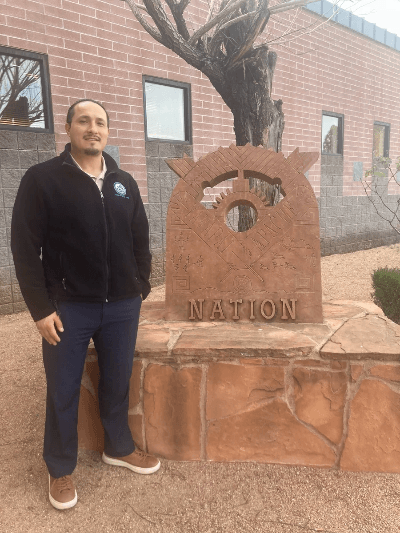
From 16,000 square miles to scattered plots, their story endures as a testament to survival in the Verde Valley heartland. The Exodus monument in Camp Verde stands eternal vigil, while annual ceremonies summon ancestors and allies alike to sacred Boynton Canyon. Today, the Yavapai-Apache Nation thrives here—not just enduring, but reclaiming their voice, culture, and land, one runner, one dance, one fry bread at a time.