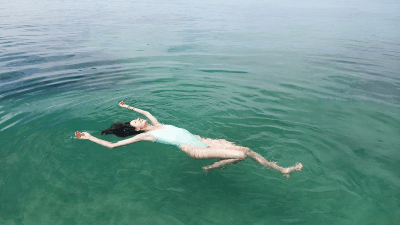
I crave the beach sometimes, like a drug. I crave swimming in the sea water, wandering the shore for hours, enjoying small or large pieces of life I find in the sand—from amazing things unseen before (on this trip, like brilliant emerald worms) to sad, dead giant turtles and a black bird with a red, inquisitive eye and broken legs, destined to die. I love the sound of birds flying overhead and calling.
I regularly scour for the dangers, searching for signs of jellyfish before entering the warm sea. Yesterday I saw one I hadn’t seen before: a clear blob as big as a large pancake, brown inside, stranded on the sand. One jellyfish means it’s still okay to go in for a swim, in my rating system; once I get to a handful of jellies, I stay out of the water.
The day I arrived, I dug deep into the sand, and when my hand emerged with a wet scoop, a white tiny creature three times bigger than a grain of rice scuttled across my skin. I still have no idea what it was.
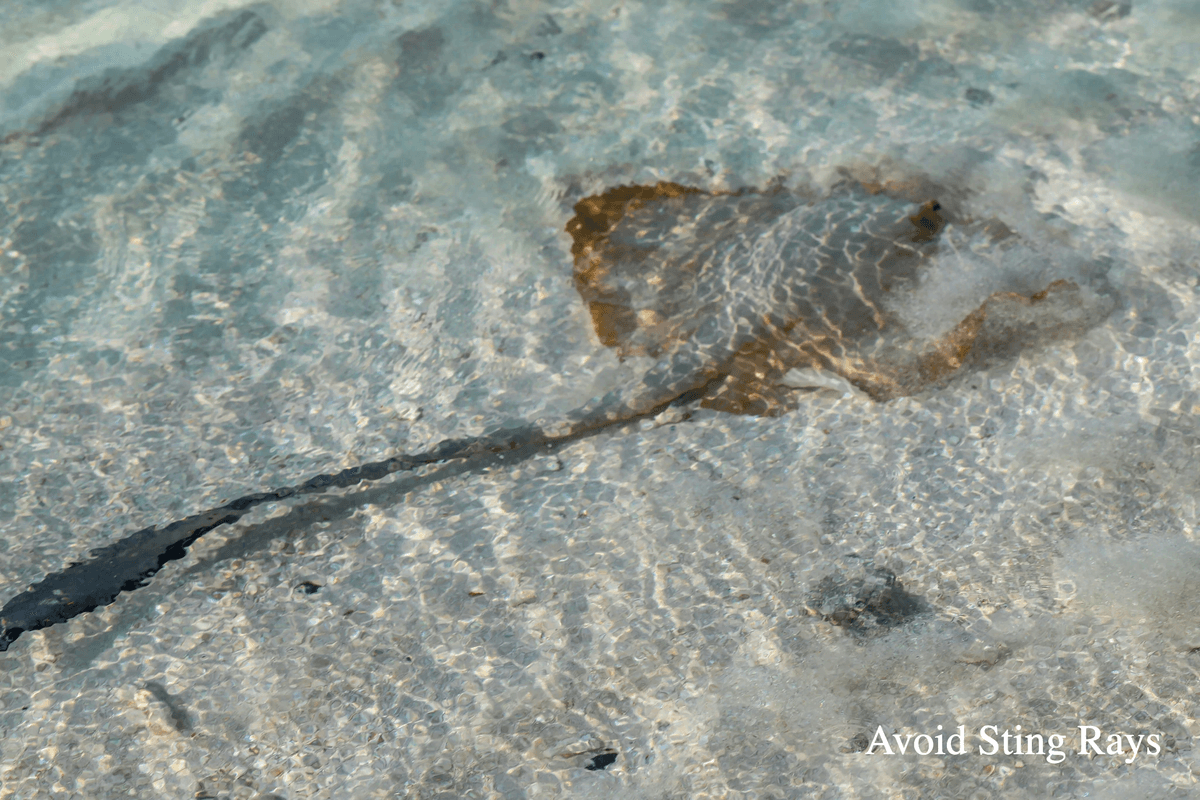
Have you heard of the stingray shuffle? You shuffle your feet, dragging them in the warm shallow water, to disturb any stingray, which is sand‑colored and often hiding out under the loose sand. As soon as you’re deep enough, start swimming, to minimize the time you spend walking in the water. Get stung and you’ve just ruined your vacation.
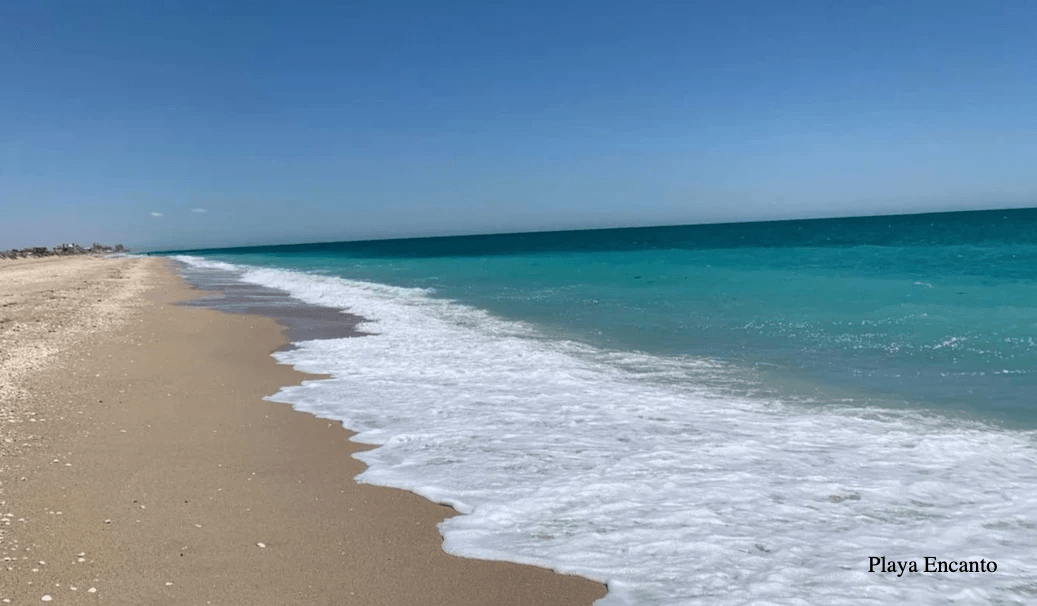
I’m at a beach called Playa Encanto, about 20 minutes south of Rocky Point. I go for the company of birds and sea, not the parties, the bars, and the restaurants. I’m a pretty experienced Mexico traveler, having done this for decades. My pet‑friendly Airbnb studio has all I need—an ocean view, a kitchen, easy beach access, and a sand‑filled, quiet neighborhood to explore.
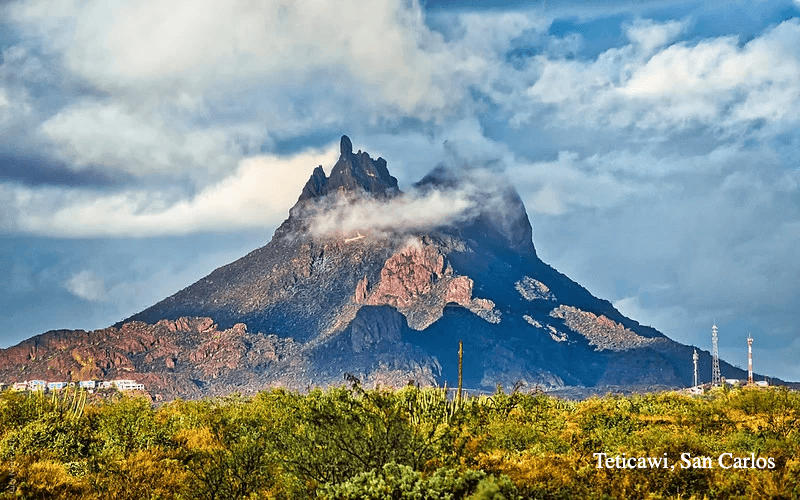
Normally I go to San Carlos, about a twelve‑hour drive from Sedona and six from Nogales. It’s so beautiful it’s worth the longer trip. It truly is a magical place, with many varied beaches, marinas, different coastal walks, great birding, and rich sea life. But last time I was there in December, the water was murky, and the chatty, friendly Pilar Condo residents were talking about a new report that put San Francisco Beach on a list of some of Mexico’s most contaminated waters. The label “second‑worst nationwide” floated through the conversation, texts flew around, and suddenly swimming—my favorite beach activity—felt less like joy and more like a gamble.
Then the itching hit—psychosomatic or real, I didn’t know—but it was relentless and raw. After nine days I was trying to tear my skin off. What investigations have shown is that in San Carlos and neighboring Guaymas, broken or overwhelmed sewage systems send raw wastewater into the Sea of Cortez, contaminating the water near San Francisco Beach and the estuary, even if the sand itself looks clean.
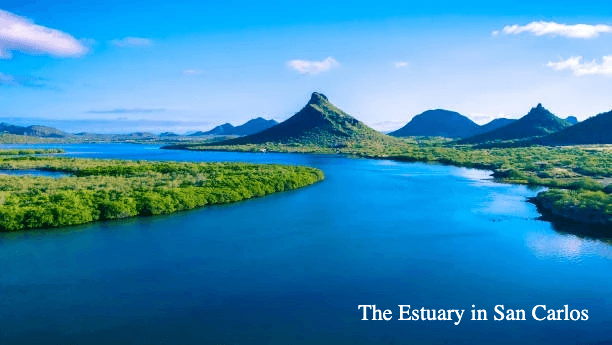
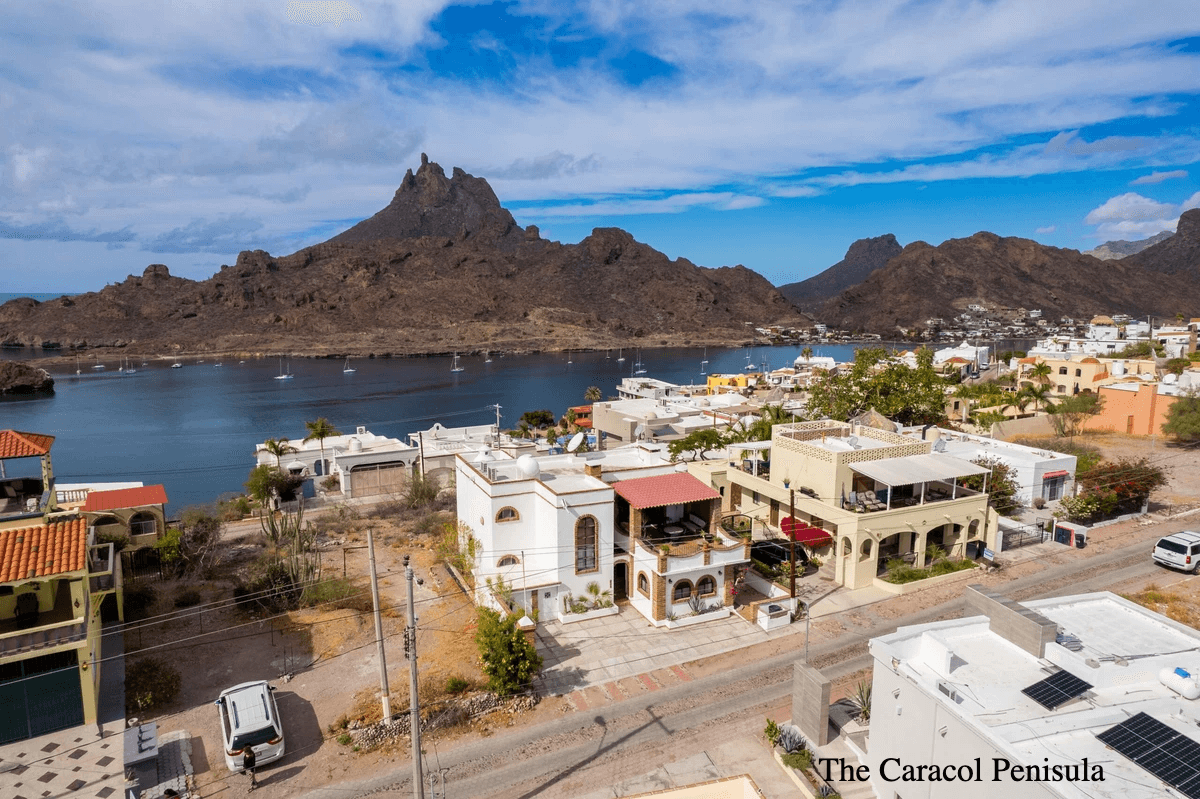
What’s happening, as far as I understand it, is that the bays and coastal waters between San Carlos—a popular vacation spot—and Guaymas carry elevated levels of fecal bacteria from untreated or poorly treated sewage. The beach I love and the estuary sit right in that path. This has been an ongoing problem for years, not limited to one stretch of shore. Even the pricey Caracol Peninsula, with multimillion‑dollar houses clinging to crumbling cliffs overlooking the sea, has its own sewage‑into‑the‑ocean issues.
I’m attached to the Caracol, too: I was a guest at one of its “On the Edge of a Cliff, Staring Defiantly at Tetakawi” homes for many years, and even now I go back to visit, chat with neighbors, and look forlornly at “my” house, which has since been sold. To someone named Gino, I hear—who so far has not invited me to stay.
It’s devastating, selfishly, for me as a once‑ or twice‑a‑year tourist, but it breaks my heart even more for the ocean creatures, the birds, and the locals. I’ve heard stories from people in Guaymas who have gotten seriously ill after swimming or being exposed to the contaminated water, echoing concerns that journalists and local advocacy efforts have documented.
To me, it feels like desecrating Mexico’s most valuable resource: its giant, fantastic shoreline, teeming with magic and life, beauty, and such varied sea life. But that’s exactly why it’s worth writing about, worth watching, and worth working toward something better. The sea is still here, still alive, still calling—and as long as it does, I’ll always love her, San Carlos and that crazy mountain Tetakawi, even from a distance. For now, my swims will be in Rocky Point, where it’s not as beautiful, but the water is clear.
If you love the ocean as much as I do, you’ll know that protecting it starts with refusing to look away—even when it feels like the dolphins, the pelicans, the seagulls, and all the humans who love them are losing. Who will speak for the sea?