Sunny never knew a world beyond chain-link, kibble, and warm cuddling with his siblings. One minute, Mom's warm flank presses against him in the pen, her milk still sweet on his tongue. The next, gloved hands—huge, alien—yank him into dawn air sharp with pine and predator.
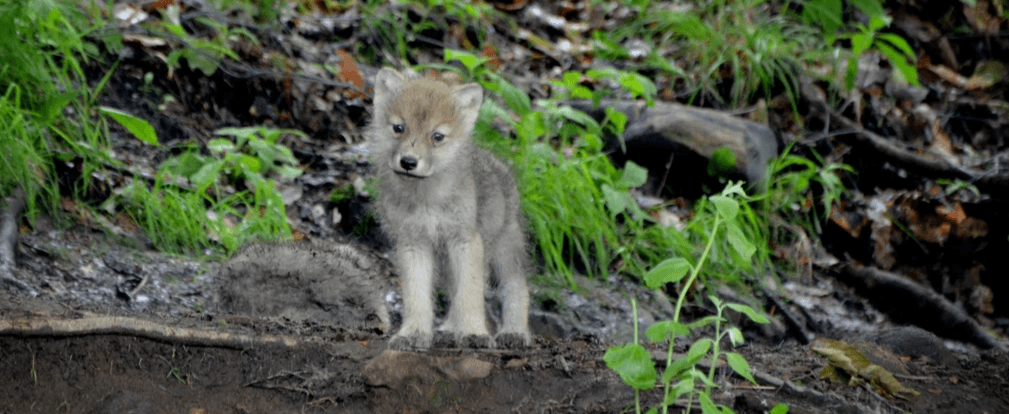
Hours of engine rumble shake his cage. He's alone. Then rough hands lower him into red-earth darkness: a den in Apache-Sitgreaves National Forest, heart of the Blue Range Wolf Recovery Area. This mother—ribs sharp under matted fur, breath rasping hot—sniffs his face. Licks? Or crushes?
Biologists fade back, radios hushed. Sunny's heart hammers. If accepted, his captive genes bolster the pack against inbreeding from just seven founders left back in the 1970s. Rejection means teeth—or darkness.
All 319 wild Mexican wolves today carry that genetic crisis: weak jaws, brittle bones, dead pups. Ranchers expanding into historic range triggered 1800s-1950s bounties and poison campaigns when livestock losses mounted. By 1980, the last wild female vanished. Captive breeding/cross-fostering rebuilt them—Sunny's one of 143 since 2016 (6 in AZ 2025), ~70% surviving year one.
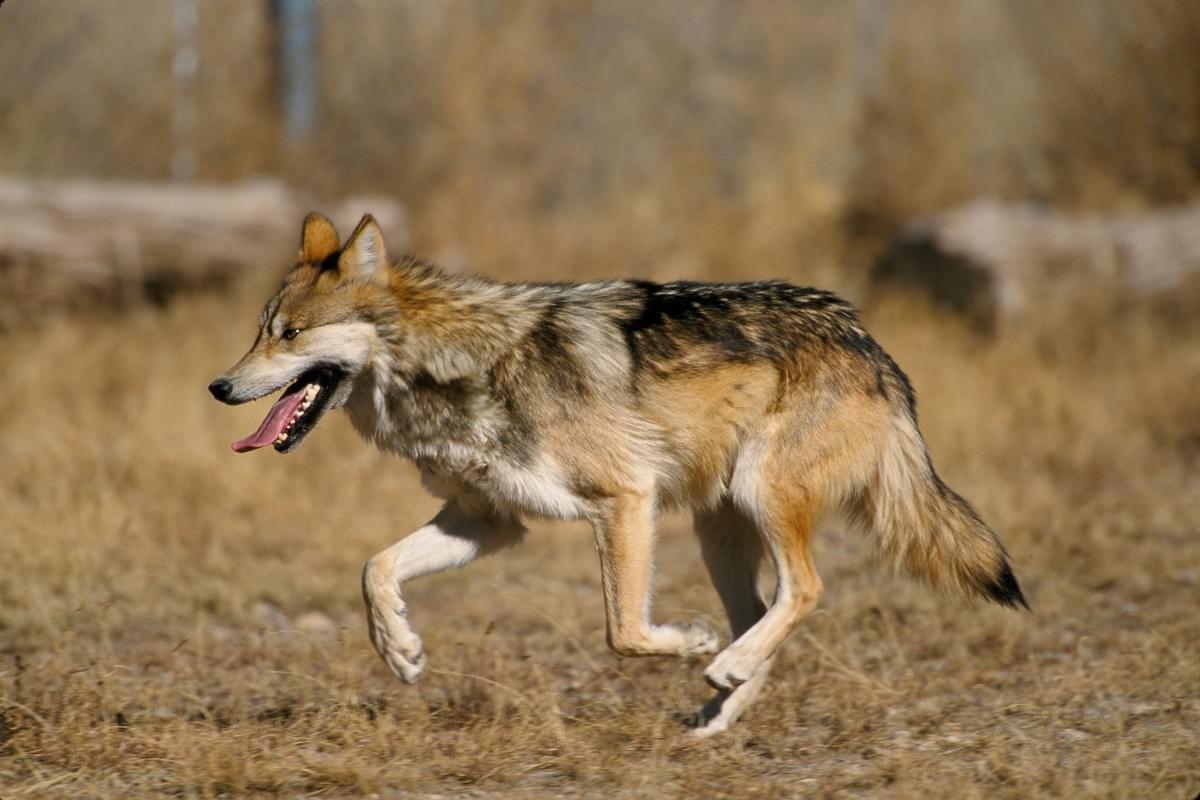
Young wolves naturally leave birth packs for new territory, pushing north from Blue Range past the I-40 boundary into Coconino National Forest and Grand Canyon ecoregion. In 2024, the Kendrick Peak Pack—including collared female F2979 "Hope"—thrived northwest of Flagstaff near Grand Canyon since June, until agencies trapped her for relocation south per experimental rules. Hope was found dead November 7; conservationists sued, claiming full ESA protections apply north of I-40.
Why are there no wolves allowed north of I-40?
USFWS enforces the boundary under experimental population rules, citing livestock conflicts on Coconino grazing allotments and political pressure from Arizona ranchers and governors. Dispersers get trapped and relocated south, despite scientists proving the habitat works with abundant elk, millions of public acres, and low road density.
Scientists call Grand Canyon ideal recovery habitat—millions of public acres, elk/deer abundance, low roads, Blue Range connectivity—but direct releases remain prohibited. Ranchers bear real costs: 47 confirmed depredations statewide in 2025 triggered $312,000 in compensation payouts as elk populations rose 20%.
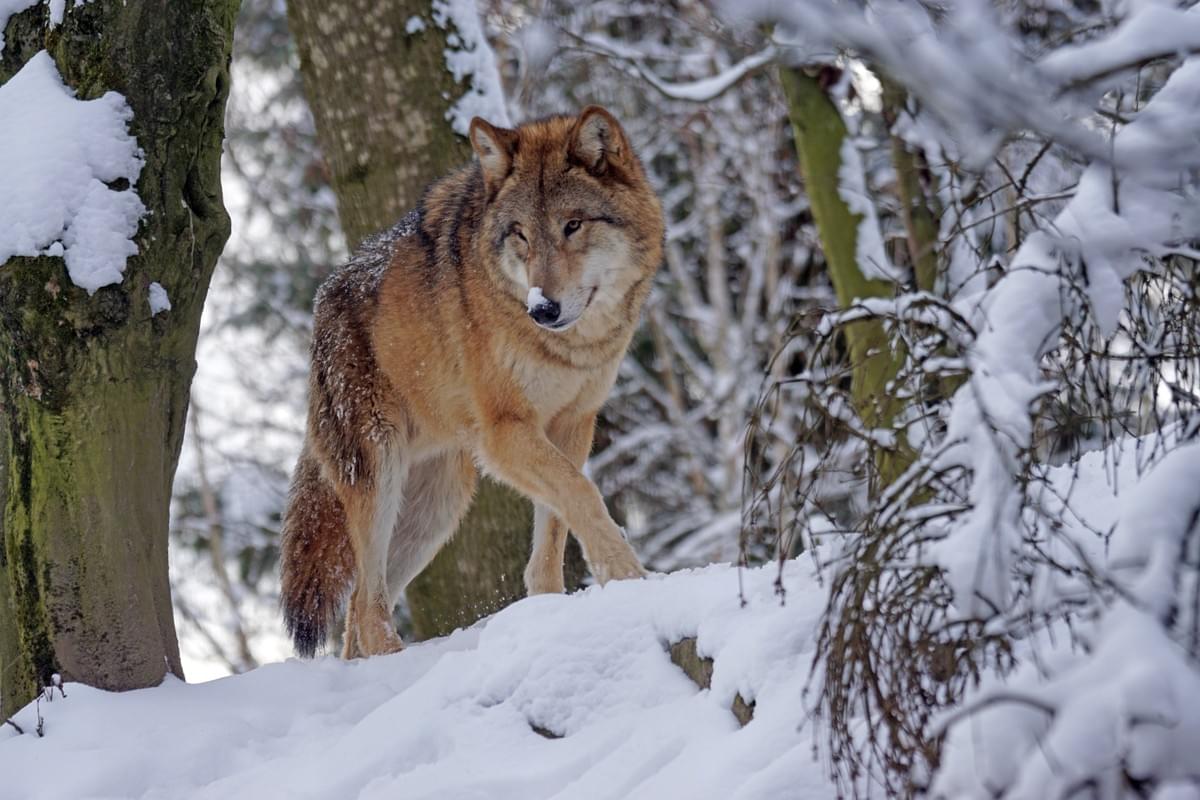
Sunny's tiny paws pad forward in Apache-Sitgreaves darkness, chasing life against stacked odds. Do humans hold the right to kill species teetering on extinction's edge? Or must we step aside, letting nature reclaim balance in Grand Canyon's waiting wilds?