Did you know that most bees in Arizona are Africanized?
It is a wild fact about living in the desert, but nearly all of the wild, feral honeybee colonies you see across Arizona today carry Africanized genetics. These bees, often called killer bees, are the result of an experiment in Brazil back in the 1950s where researchers crossbred gentle European honeybees with highly productive African honeybees to see if they could handle the tropical heat.
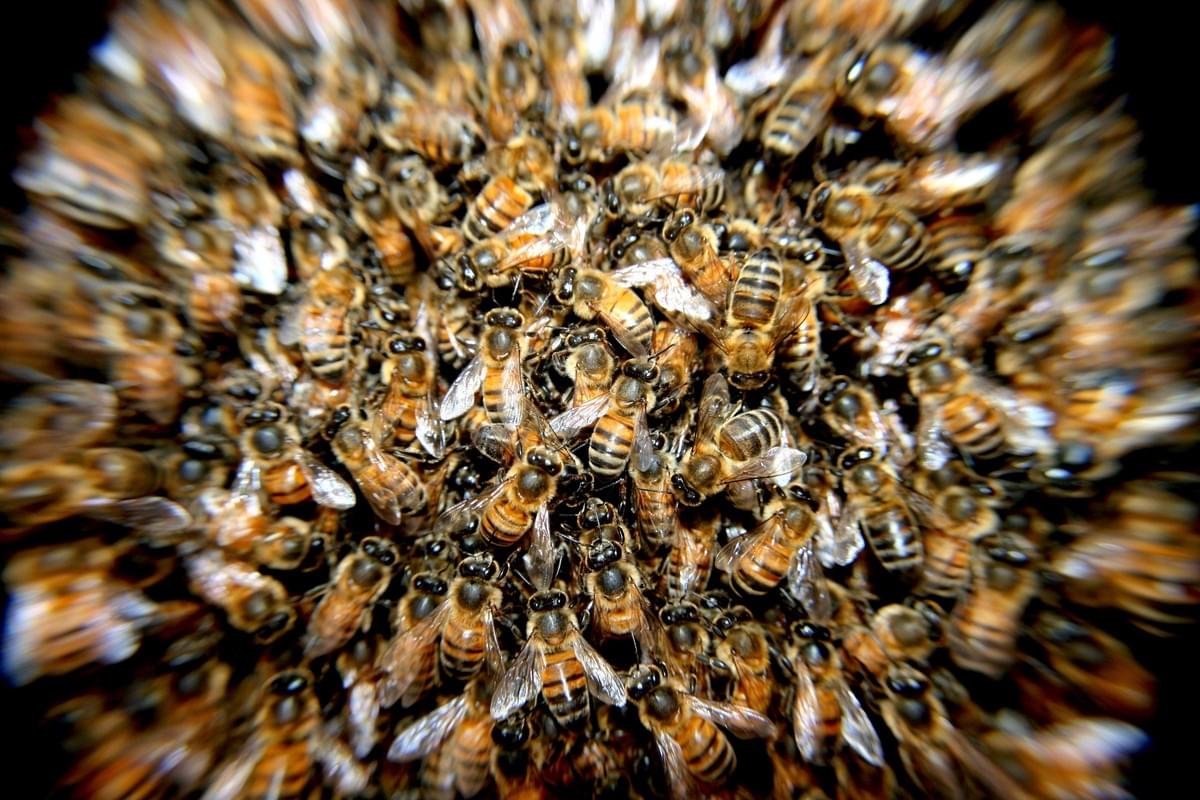
Some of those experimental colonies accidentally escaped, and they started migrating north at an incredible pace of hundreds of miles per year. They officially crossed into Texas in 1990 and made their way right into Arizona by 1993. Within just a few short years, they completely took over the local wild populations because their genetics are incredibly dominant, and they absolutely thrive in our harsh, arid desert climate.
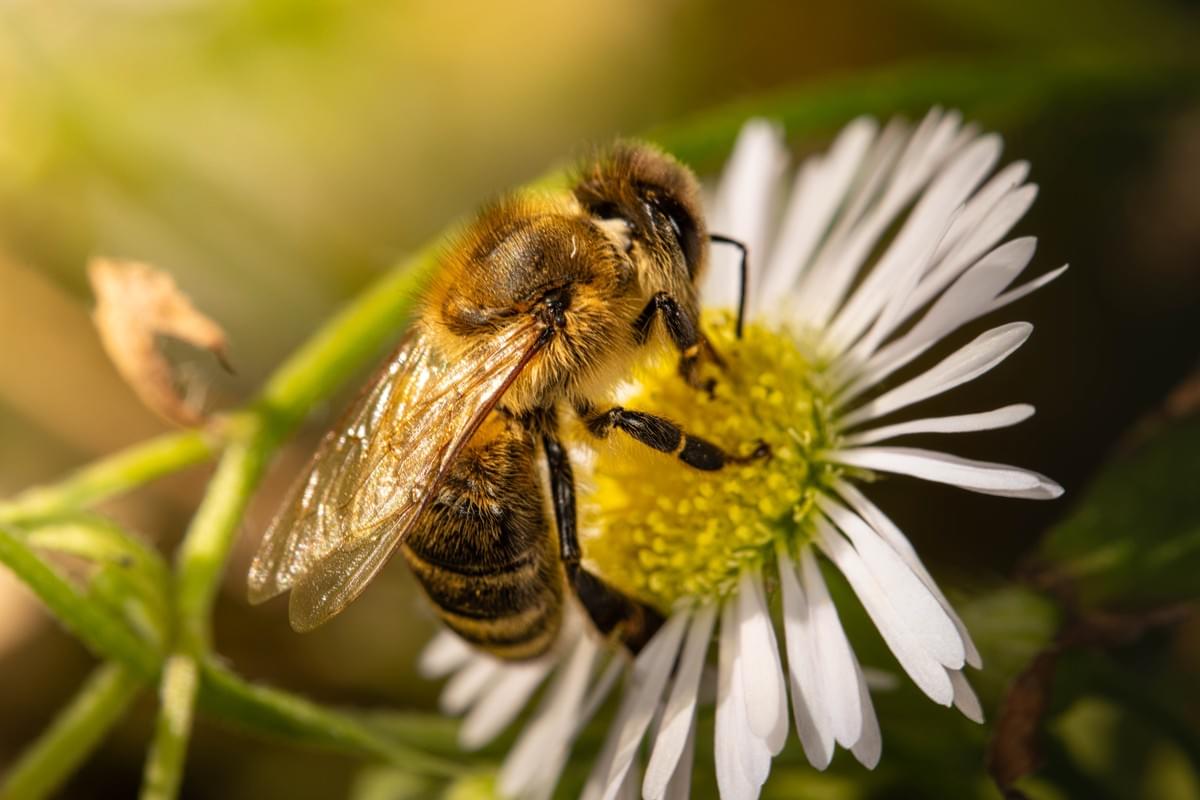
Visually, you cannot tell the difference between an Africanized honeybee and a standard European honeybee without looking at them under a microscope because they look practically identical, but their behavior is a whole different story.
While their individual venom is not any stronger than a regular bee sting, their defensive instincts are dialed up to ten.
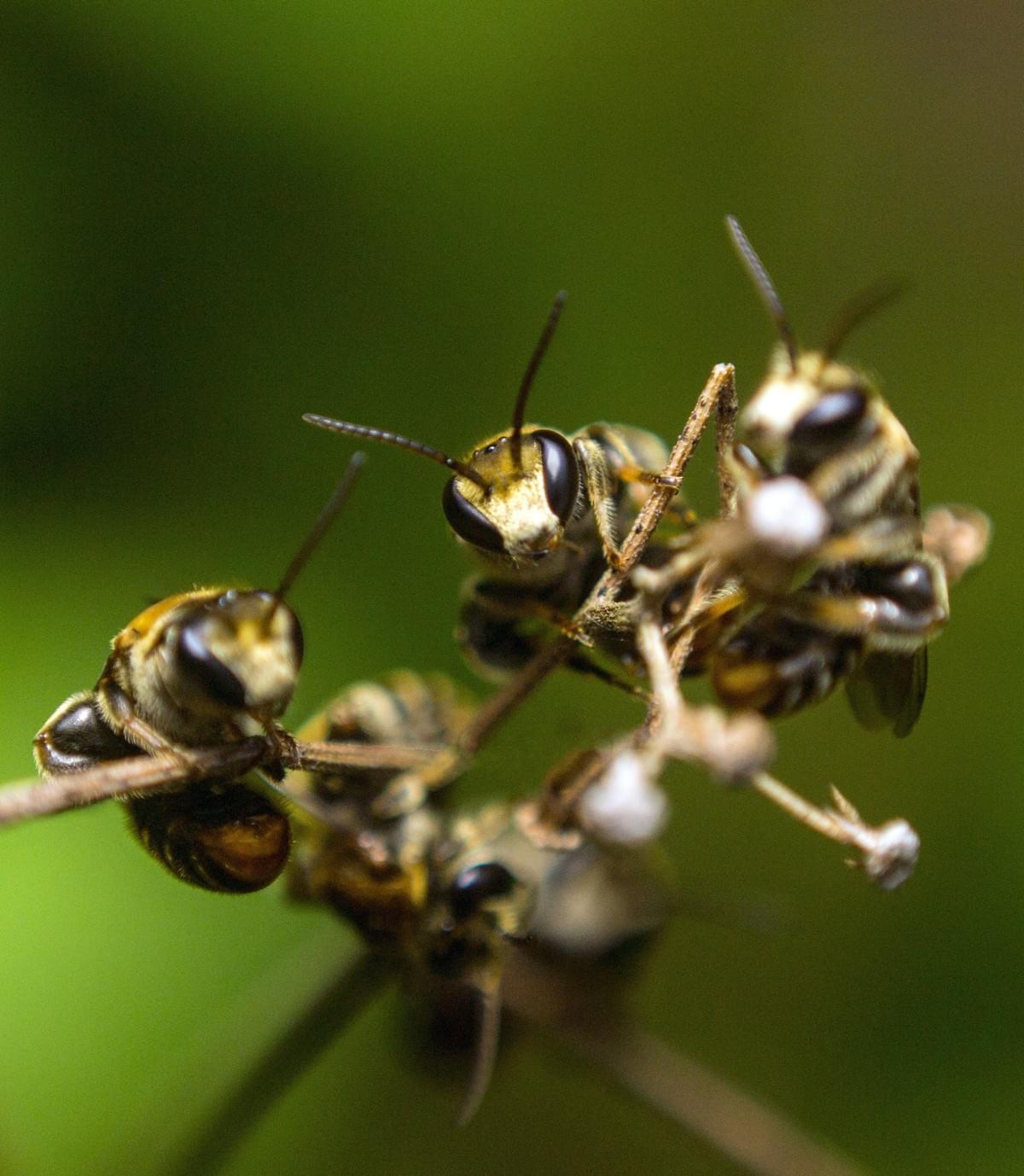
If you disturb a European bee colony, a few dozen might come out to protect the hive, but if you accidentally disturb an Africanized nest, the entire colony might respond. They react much faster, attack in massive numbers, and will pursue a perceived threat for a quarter of a mile or more.

They are also not picky about where they live, frequently setting up shop in tiny spaces close to the ground like water meter boxes, cement blocks, old tires, and the eaves of houses. They reproduce rapidly and swarm as often as every six weeks to start new colonies. Knowing they are everywhere out here is just part of respecting the desert, keeping an eye out when working in the yard, and giving wild hives plenty of space.
For more interesting Arizona stories check th ellink below.