Last night, the soft patter of rain finally arrived in West Sedona, lingering for about an hour. It was a welcome sound—long overdue. As high desert heat continues to bake the red rocks, our community—human, wildlife, and plant life alike—looks skyward in anticipation. With monsoon season playing an uncertain game of hide-and-seek, The Bobcat Gazette turns to ancient stories of rain and storm deities from around the world—cultures that, like ours, understood the life-or-death importance of water.
The Aztec Master of Water: Tlaloc

In the ancient lands south of today’s border, the Aztecs revered Tlaloc, their supreme god of rain and fertility. In a landscape not unlike Sedona’s, water meant survival. Tlaloc was said to strike the mountains to create thunder, cracking open the clouds like great jars to release rain. His divine counterpart, Chalchiuhtlicue, governed flowing waters—rivers, streams, and lakes—the very lifelines our local wildlife depends on during dry stretches.
The Vedic King: Indra
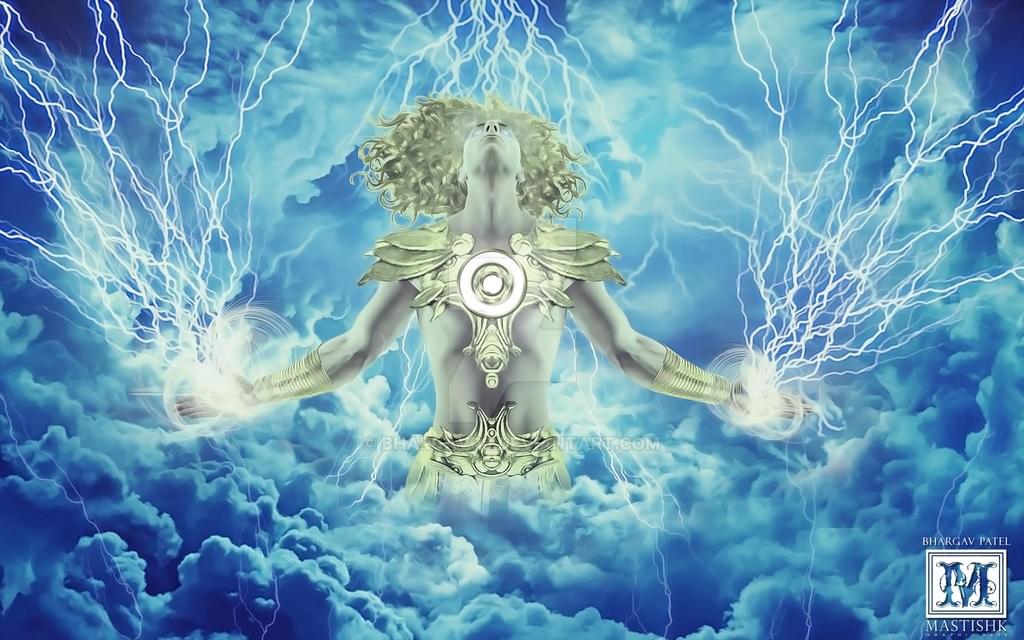
In Hindu tradition, Indra reigns as king of the heavens and master of storms. A fierce warrior, he rides a white elephant named Airavata. One enduring legend tells of a serpent, Vritra, who hoarded the world’s waters, plunging the land into drought. Indra defeated the serpent with a thunderbolt, releasing the trapped waters and restoring life to the earth—a story that echoes wherever drought grips the land.
The Sky Father and Rain Sisters: Zeus and the Hyades

Greek mythology offers both power and poetry in its explanation of rain. While Zeus commands thunder and lightning from Mount Olympus, the Hyades—star nymphs known as “the rainy ones”—were believed to bring gentler storms. Their tears, according to legend, fell as nourishing rain. Farmers and sailors watched their appearance in the night sky closely, as it marked the arrival of the rainy season.
The Celestial Dragons: Yu Shi and the Dragon Kings
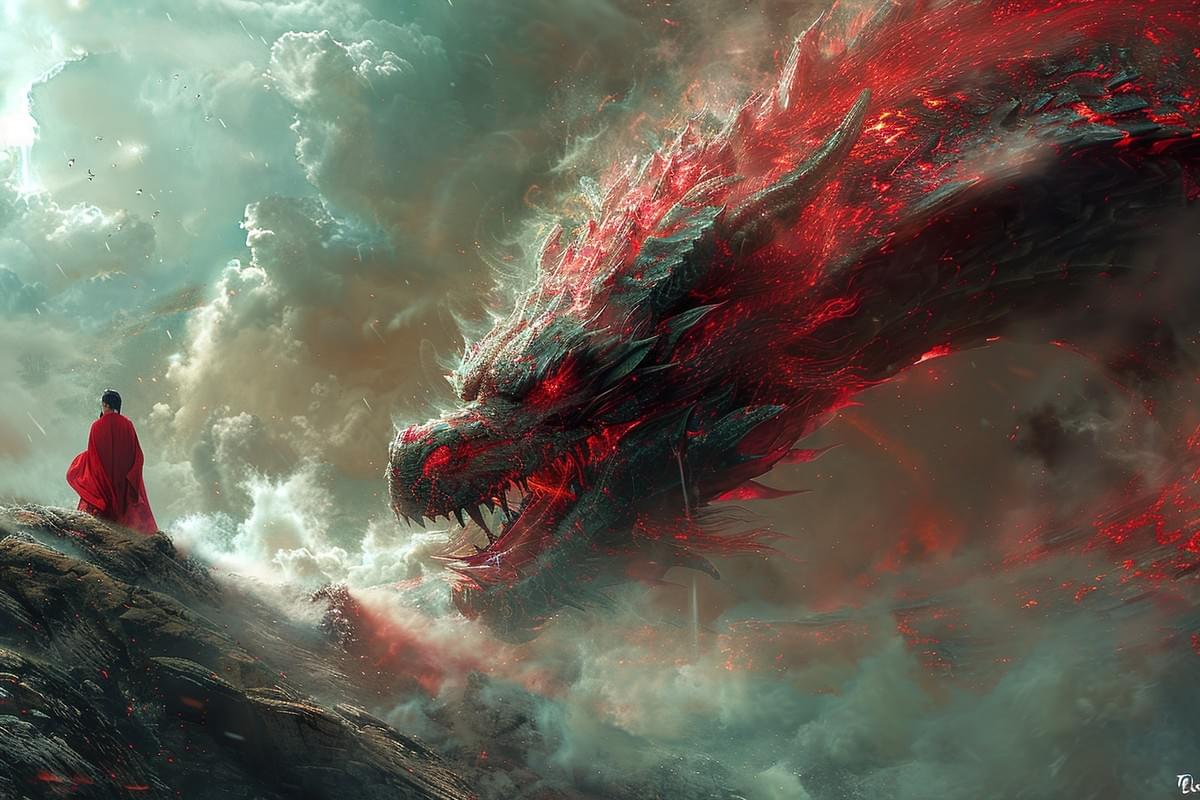
In Chinese mythology, rain is both majestic and meticulously ordered. Yu Shi serves as the Master of Rain, while the Four Dragon Kings govern the seas of each cardinal direction. At the command of the Jade Emperor, these dragons rise into the clouds, exhaling mist and sweeping their tails to deliver carefully balanced rainfall across the land—an image of harmony between heaven and earth.
Calling on the Skies
From the stormy hills of Norse mythology comes Thor, the thunder god whose booming presence reminded ancient people just how powerful the sky could be. Armed with his hammer, Mjölnir, Thor was believed to send thunder rolling across the heavens, bringing both fear and the promise of rain to a world that depended on it.

Cultures across the world have long sought meaning—and hope—in the weather. Here in Sedona, as clouds gather over Thunder Mountain and Doe Mesa, that connection feels especially immediate.
As we wait for the monsoon to find its rhythm, The Bobcat Gazette encourages readers to cherish every sip of clean water, and perhaps take a quiet moment to look skyward—offering a nod to the ancient forces that have always carried the promise of rain.