Dedicated to Sandhi Doskocil
Long before Easter became a day of chocolate bunnies and pastel dresses, it was a celebration of the earth waking up. Across parts of Europe, people gathered at the edge of winter to mark the return of light, the softening of the soil, and the stirring of new life. Their symbols were simple and earthy: eggs for new beginnings, hares and rabbits for fertility, flowers and green shoots for the land coming alive again. It was a pagan festival of renewal, rooted in the rhythms of the season.

Christianity arrived later, stepped into that same moment on the calendar, and layered its own story on top. The crucifixion and resurrection of Jesus offered a spiritual counterpart to what the land was already doing: dying back, waiting, and then rising again. The old spring festival became a sacred story of hope, second chances, and the promise that something can come back even after it seems lost.
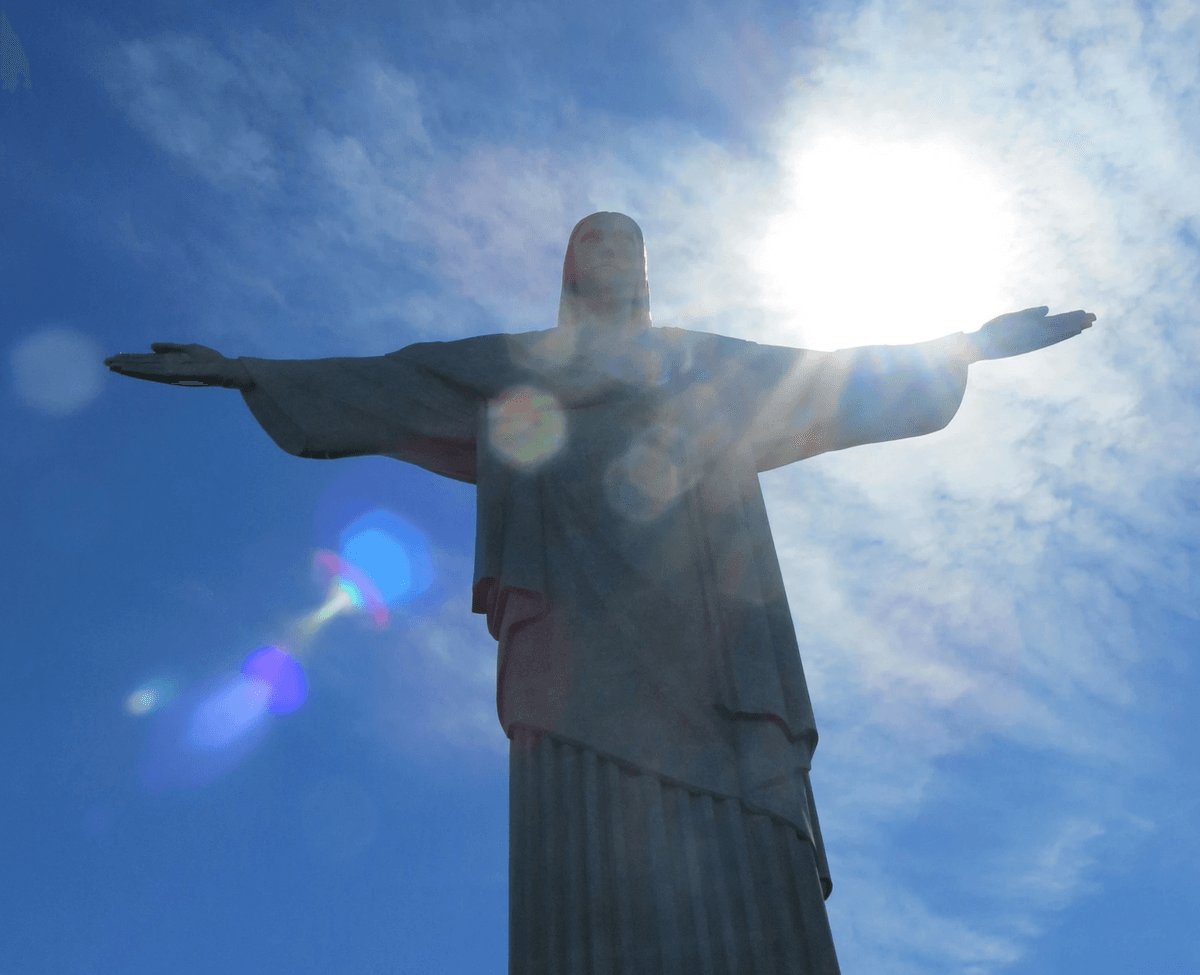
Today, Easter still carries both histories at once. For many, it’s a deeply Christian holiday centered on the risen Christ, on faith, on church, and on quiet reflection. For others, it’s a broader seasonal marker—a chance to feel the light lengthening, the garden waking, and life rearranging itself after a harder stretch. Some people sit in pews, some walk in the woods, some host egg hunts, and some just feel an unspoken urge to start over
The common thread is renewal.
And right now, that word feels heavier and more necessary than it has in years.
In a world of climate anxiety, political noise, and economic strain, Easter’s old message lands differently:
The idea that something can die, wait in the dark, and still come back stronger. For people watching communities fraying at the edges, the seasonal return of green can feel like a small, stubborn act of hope. It’s a reminder that the earth keeps trying, even when the news makes it hard to want to.
In a country where division feels baked into the wallpaper, the Easter story also quietly whispers another possibility: reconciliation. Whatever you call it—grace, forgiveness, or simply a willingness to try again—the idea of rising from a low point and choosing a different path is something that resonates far beyond the church doors. For many, it’s less about a specific doctrine and more about a human impulse: to stop repeating the same mistakes, to find a way out of the trenches, and to imagine a version of life that’s less angry and more alive.

Easter, then, isn’t just a relic or a religious obligation. It’s a recurring invitation to ask:
What in my life, my community, or my world is ready to be laid down—and what is ready to rise?
Whether you mark it with prayer, a nature walk, a backyard egg hunt, or a very quiet “I’m still here,” the old spring festival is still there beneath the surface.
Life, as always, doesn’t need a grand cosmic guarantee to begin again. It just needs a little warmth, a little light, and someone brave enough to stop pretending they’re fine.