It's 2050. Arizona is not a wasteland, but it is a different desert. The Colorado River is still there, but it is smaller, slower, and more fiercely fought over. The state did not collapse, but it had to change how it drinks, grows, builds, and thinks about "growth."
Water is a Rationed Utility, Not a Free Right
In 2050, every household in Maricopa and Pinal counties gets a monthly "water allowance" tied to population and climate conditions. If you use more, you pay steeply higher rates. If you use less, you get credits. Water bills are a major part of household budgets. New homes are built with graywater systems as standard. Front yards are mostly gravel and native plants.
This system traces its roots to Cape Town's "Day Zero" crisis. In 2017, the Cape Town warned it would shut off municipal water because reservoirs were nearly empty. Day Zero was originally set for March 2018, then pushed back to July, August, and eventually 2019 as conservation measures worked. Residents were told to use only 50 liters per person per day — about 13 gallons, compared to 164 liters in London.
The mayor declared Cape Town a "permanent drought region" in 2018. You could not use municipal water for washing cars, watering gardens, or filling pools. Water was only allowed for drinking, cooking, and basic hygiene. People were limited to 2-minute showers. Neighbors who went over quotas were publicly named and shamed. The city shared daily water production and dam levels so people could see if Day Zero was being pushed back. Water was redirected away from farms for domestic use, hurting food and wine production and causing job losses. Between 2015 and 2018, Cape Town cut water usage by nearly 60%. By 2018, residents were using just over 50 liters per day — one of the lowest per capita rates of any major city in the world. Day Zero was averted without taps running dry.
Arizona adopted a similar model: household allowances, credits for conservation, and steep rate hikes for overuse.
Desalination Lines the Coast, Pipelines Run Inland
Arizona now shares a large desalination complex on the Gulf of California with Mexico. Water is pumped north through new pipelines that pass through Sonora and into Pima, Pinal, and Maricopa counties. Desalinated water is expensive but reliable. Energy costs are high, so the state invests heavily in solar and wind. Rural communities near the pipeline get jobs; others feel left out.

This approach mirrors Mexico's Playas de Rosarito desalination plant, the largest and most modern in Latin America, and the Atotonilco wastewater treatment plant, the biggest in Mexico and third-largest in the world. Construction on Playas de Rosarito began in March–April 2026, with completion expected in 2029. The plant is designed to produce 2,200 liters per second, increasing potable water availability by up to 45% for Tijuana and Playas de Rosarito. Atotonilco, which serves 12.6 million people in the Valley of Mexico including Mexico City, has been online since 2014 and treats 35–50 cubic meters per second of wastewater. They show how rapidly a country can build desalination and reuse infrastructure when water is scarce. They also show how cross-border water projects can be politically and environmentally contested. Mexico has already moved on major desalination and wastewater projects, including Playas de Rosarito and Atotonilco. An earlier proposal for a Sonoran desalination plant to send water to Arizona was rejected by Mexico in 2023 due to environmental concerns about wetlands, high energy costs, and impacts on local and indigenous communities.
Cross-border water plans often sound simple on paper, but they become complicated fast because one country's solution can become another country's environmental burden. Future projects needed clear agreements on who pays, who benefits, how much energy is required, and how to protect fragile coastal ecosystems and local communities. That's why these projects became debates about diplomacy, fairness, and long-term sustainability as much as they are about engineering.
Agriculture Shifts or Shrinks
Large water-intensive farms in Pinal and Gila counties are mostly gone. The farms that remain grow high-value, low-water crops: nuts, some fruits, hydroponic vegetables, and medicinal plants. Row crops like alfalfa and cotton, which once dominated these valleys, have been replaced by greenhouse operations and orchards that use far less water per dollar of output. Rural towns that depended on farm labor and agribusiness have shrunk, and some former field areas are now mostly vacant or repurposed for solar farms. Agriculture in Arizona is no longer defined by endless green fields, but by carefully managed plots that maximize yield with minimal water.
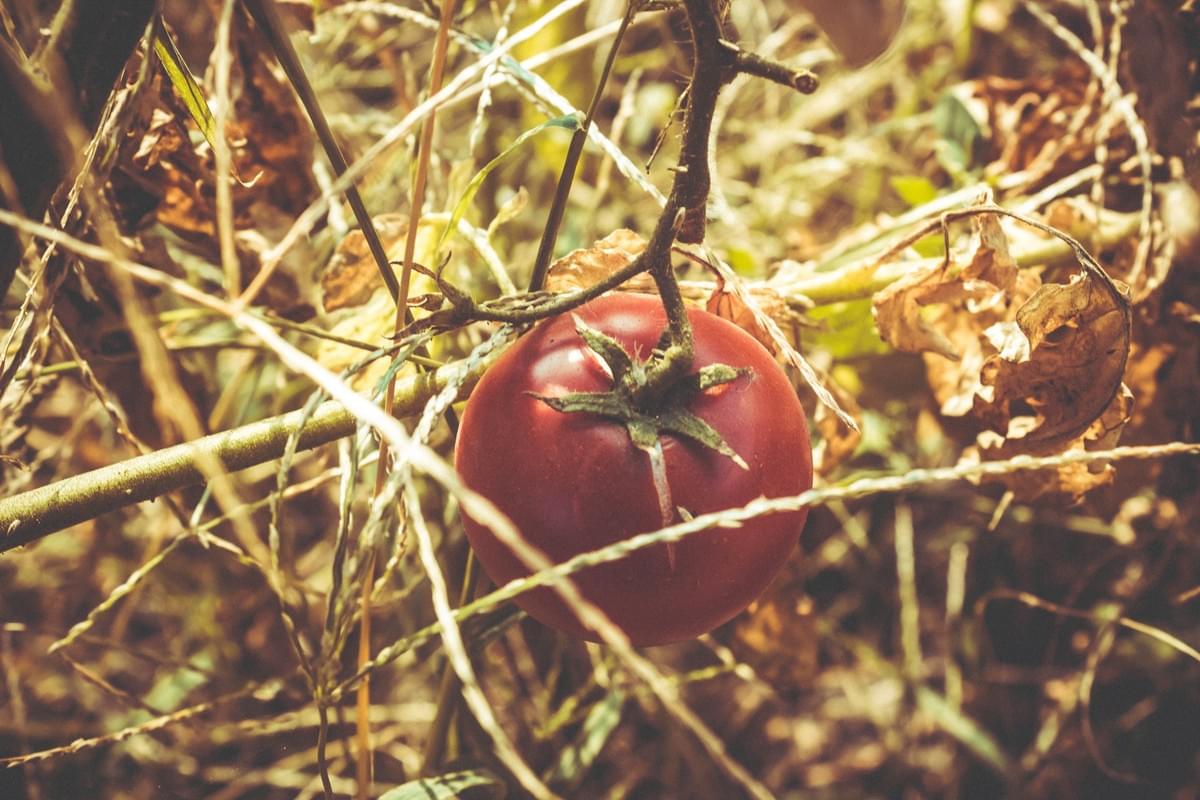
This follows Iran's lost farmland, Spain's switch to drought-tolerant crops, and Jordan's reliance on imports. In Iran, severe drought in the 2000s and 2010s, combined with over-pumping, dried up major lakes like Lake Urmia and rivers. Decades of drought and over-pumping have forced millions of acres of farmland to go fallow and pushed farmers off their land. In Spain, severe droughts in 2022–2023 hit olive and citrus production in the southeast and Andalusia, leading farmers to switch to more water-efficient crops and invest in drip irrigation. In Jordan, persistent water scarcity has made agriculture nearly impossible at scale, so the country imports most of its food and relies on high-tech, low-water farming for only a small share of production. All three places show how water scarcity can shrink agriculture, change what's grown, and force a shift toward imports or high-tech farming.
In Arizona, rural counties have lost jobs and tax revenue. Food prices are higher, especially for fresh produce. Agriculture is more industrialized, with more vertical farms around Phoenix and Tucson.
Cities Get Smaller, Denser, and Greener in New Ways
Phoenix and Tucson are no longer sprawling suburbs. Building codes require water-efficient designs, and new developments are clustered near transit. Rooftops are covered in solar panels. Parks are smaller but more numerous, using recycled water. Swimming pools are rare and heavily regulated.
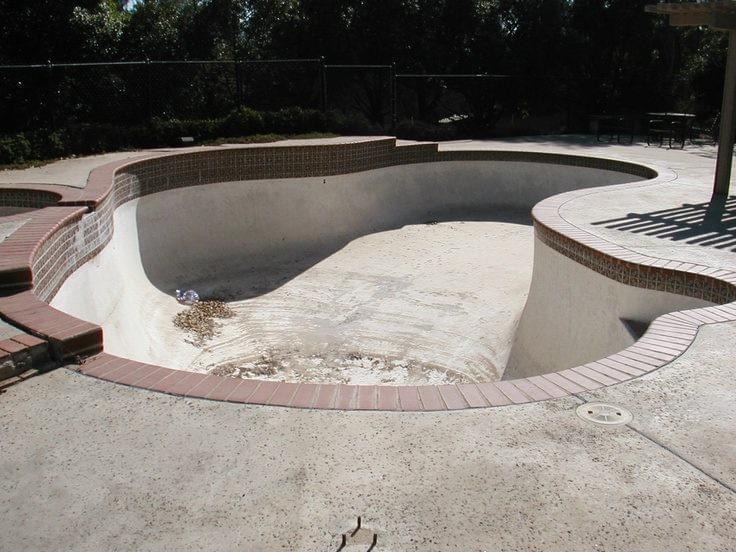
This mirrors Mediterranean and Middle Eastern cities that had to limit growth and water use.
Water Reuse is the New Normal
Almost all cities use "potable reuse": treating wastewater so clean it can be added to drinking supplies. "New water" is mixed with reservoirs and aquifers. People are used to the idea that "everything recycles" in the desert. Utilities invest heavily in advanced filtration and monitoring.
This follows Singapore's NEWater program, which began in the early 2000s, and Israel's reuse of over 80% of wastewater for agriculture, achieved by the 2010s.
Groundwater is Protected, Not Pumped
Groundwater is now heavily regulated. Pumping is limited, and to pump, landowners must show "recharge" — putting water back into the aquifer. Some domestic wells are restricted or closed. There are more "managed aquifer recharge" projects, using floodwater and treated water to refill aquifers. Rural counties fight over water rights, but the state has more enforcement power than in 2020.
Heat and Water Go Together
2050 Arizona is hotter. Heat waves are longer, more intense, and more dangerous. Water is used for cooling, but not waste. Buildings are designed for passive cooling. Outdoor work is limited during midday heat. Schools and hospitals are critical infrastructure with their own water and power backups.This follows global trends in water-stressed, hot regions.
Migration and Demographics Shift
Some people left Arizona, especially those who moved for cheap water and cheap land. Others came for jobs in water tech, desalination, and climate adaptation. Some small towns are shrinking or abandoned. Phoenix and Tucson are more multicultural, with more people from Mexico and other dry regions. There is a growing "water professional" class: engineers, planners, and technicians.
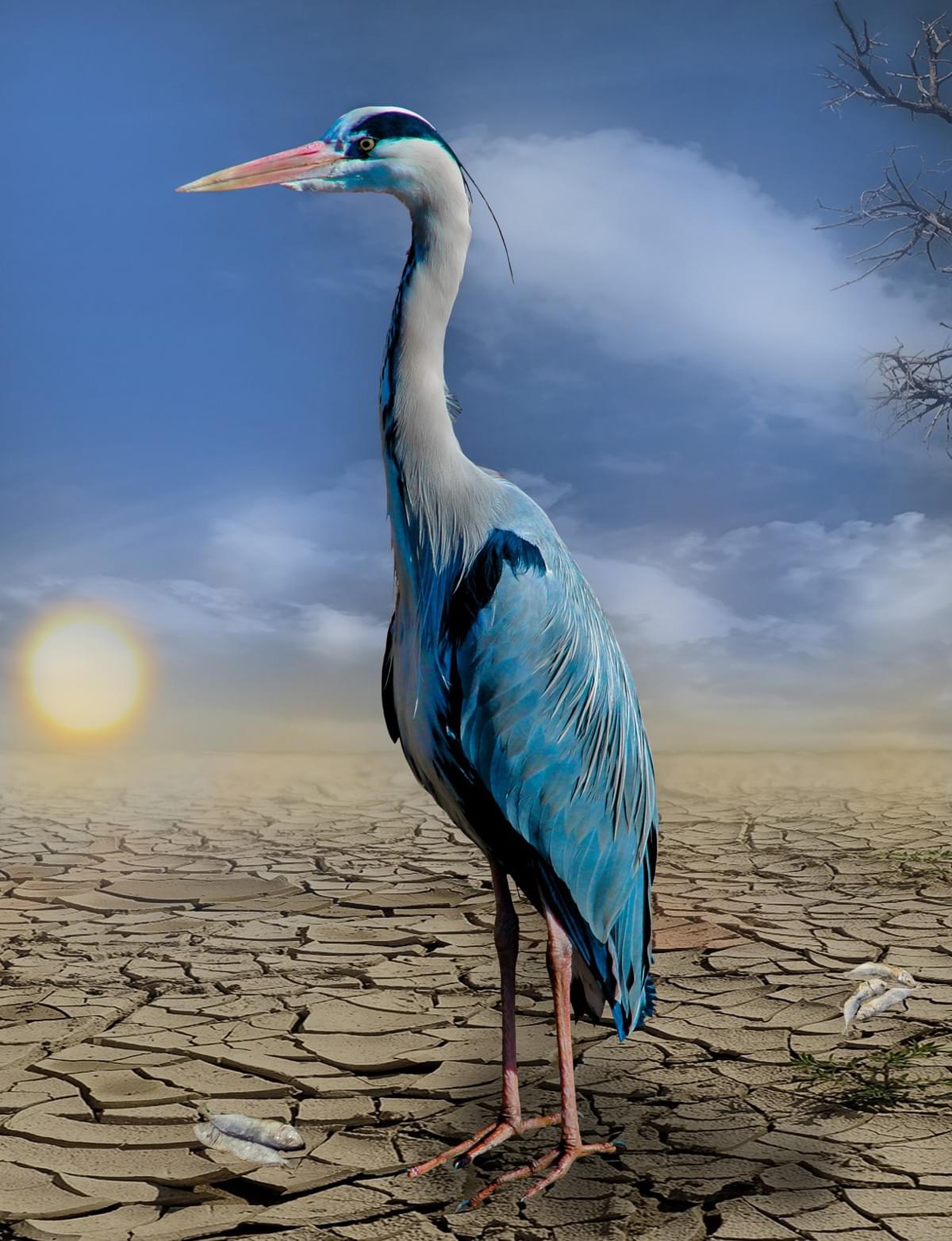
This mirrors rural-to-urban migration in Syria, Iran, and Afghanistan. In Syria, severe drought in 2006–2010, combined with over-pumping, dried up many agricultural areas. Hundreds of thousands of farmers lost livelihoods, rural poverty and migration to cities increased, and many experts say this contributed to the 2011 uprising and civil war. In Iran, drought and water scarcity have driven mass migration from rural areas to cities. In Afghanistan, decades of drought and river overuse have dried up many rivers and lakes, leading to massive crop failures, livestock deaths, famine conditions, and rural displacement.
Conflict and Politics Over Water
Arizona fights over water with other states, tribes, and Mexico. Water law is a major part of state politics. Water courts are as busy as criminal courts. Tribes have more say in water management. There are ongoing negotiations with Mexico and California.
This follows conflicts in the Jordan River basin, which have been ongoing since the mid-20th century, and over the Colorado River itself, with major disputes dating back to the 1920s and continuing through the 2020s.
Culture Changes: Conservation as Identity
By 2050, Arizonans are used to living with less. Water conservation is part of the culture, not just policy. "Water conscious" is a marker of being a good neighbor. Schools teach water literacy from an early age. There is pride in being a desert state that adapted.
This comes from Israel, Jordan, and parts of Spain where water scarcity shaped daily life. In Jordan, the country has been consistently ranked among the world's most water-stressed countries. In Israel, water scarcity has been a national issue since the 1950s. In Spain, water scarcity has shaped daily life in the southeast and Andalusia, especially after the severe droughts of 2022–2023.
Arizona 2050 is not a disaster. It is a state that learned to live with limits. The cost is real: higher prices, fewer farms, more complex politics, and a different sense of what "growth" means. But it is also a place that avoided the worst outcomes seen in other parts of the world — Iran, Syria, Cape Town — by adapting before total collapse.
The real question is: Could Arizona have done this earlier, and cheaper?